What's causing these cracks in my stucco?
Cracks are probably the most common thing folks call me about. It's not always a simple answer, but generally, you're looking at a few main culprits. Small hairline cracks, sometimes called 'spiderweb' cracks, are usually just surface-level. They happen as the stucco cures, or from minor expansion and contraction due to temperature changes – pretty normal stuff, especially with our Chula Vista weather, going from cool mornings to warm afternoons. Larger, more significant cracks, especially those that are horizontal, vertical, or stair-stepping, can be a bigger deal. These often point to structural issues like foundation settlement, framing movement, or even water intrusion that's compromised the substrate. If you see cracks wider than a credit card, or if they're growing quickly, don't just paint over them. Get 'em checked out by someone who knows what they're looking at.
How do I know if my stucco damage is serious or just cosmetic?
This is where a little bit of common sense and a good eye come in handy. Cosmetic damage is usually just that: it looks bad but isn't letting water in or compromising the integrity of your wall. Think small, hairline cracks, minor chipping, or discoloration. You can often tell it's cosmetic if the damage is only on the surface coat and doesn't go all the way through to the mesh or sheathing underneath. Serious damage, on the other hand, is anything that compromises the weather barrier. That includes big cracks, holes, areas where the stucco is soft or bulging, or places where you can see water stains or mold. If you can poke a finger through the stucco, or if it sounds hollow and feels spongy, that's serious. Water is the enemy of stucco, and any breach is a direct invitation for rot, mold, and termites. If you're unsure, it's always better to have a pro like us at Chula Vista Stucco & Plastering take a look.
Can I just fix a small stucco hole myself, or should I call a professional?
For really tiny holes, like from a nail or a small impact, you might be able to patch it yourself if you're handy. You can buy small stucco patch kits at hardware stores. The trickiest part is getting the texture and color to match, which is harder than it sounds. Stucco isn't just one layer, and getting that blend right takes practice. If the hole is bigger than, say, a quarter, or if it's deep enough to expose the lath or sheathing, I'd strongly recommend calling a professional. Any repair that involves exposing the underlying structure needs to be done right to ensure proper water sealing and structural integrity. A bad DIY patch can actually make the problem worse by trapping moisture or creating an obvious, ugly spot that stands out like a sore thumb.
What's the typical repair process for stucco?
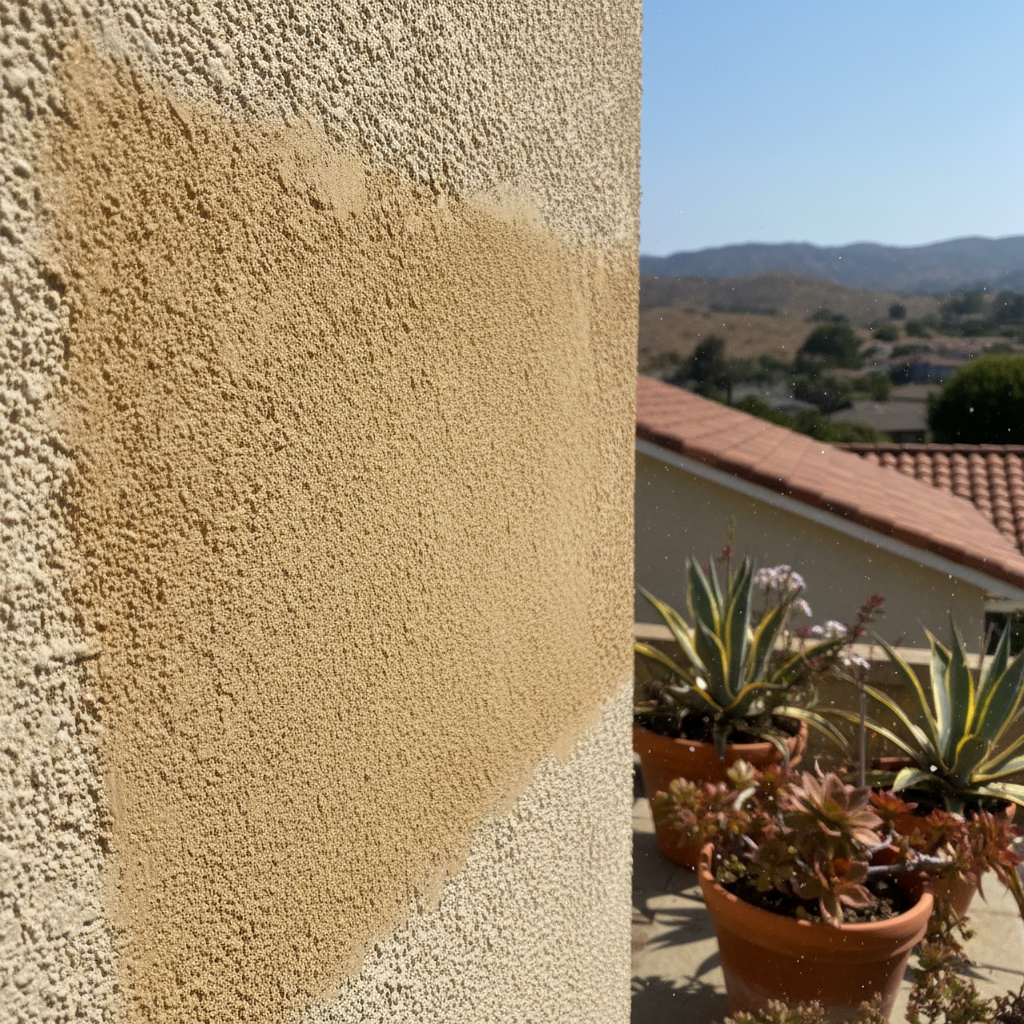
Alright, so you've got damage, and you're wondering what happens next. First, we'll assess the damage to figure out the root cause and extent. This might involve probing, checking for moisture, and looking at the surrounding areas. Next, we'll remove all the loose or damaged stucco. This is crucial; you can't build a good repair on a bad foundation. We'll expose the lath (the mesh underneath) and any damaged sheathing, replacing anything that's compromised. Then, we apply new stucco in layers – usually a scratch coat, then a brown coat, and finally a finish coat. Each layer needs time to cure properly. The finish coat is where we match the existing texture and color as closely as possible. Sometimes, especially with older stucco or custom finishes, a perfect match is tough, but we get it as close as humanly possible. It's a bit of an art form, honestly.
How long does stucco repair usually take?
That really depends on the size and complexity of the repair. A small, cosmetic patch might only take a few hours of actual work, but because of the curing times between coats, it could span a couple of days. For larger repairs involving significant sections of a wall, or if there's underlying structural damage that needs addressing, you're looking at several days, maybe even a week or more. The weather plays a role too; you can't rush the drying process, especially in humid conditions. We always give you an honest timeline upfront once we've assessed the job. We're not going to cut corners or rush it just to get it done faster, because that's how you end up with problems down the road.
Will the new stucco match my existing stucco perfectly?
This is probably the million-dollar question, and it's a fair one. The honest answer is: we strive for the closest possible match, but 'perfect' is a high bar. Stucco ages, fades, and weathers over time due to sun exposure, rain, and even just dust. The original color might have changed significantly since it was first applied. We'll take samples, use color-matching techniques, and try to replicate the texture as best we can. Sometimes, especially with older homes in areas like the Eastlake neighborhoods, where stucco has been baking in the sun for decades, a brand new patch, even if perfectly matched to the original formula, might look a little 'new' compared to the aged surrounding stucco. Often, the best way to get a seamless look for larger repairs is to consider painting the entire wall or even the whole house after the repair is done. But for smaller patches, we're usually able to blend it in pretty well.
What can I do to prevent future stucco damage?
Good question! Prevention is always cheaper than repair. First, keep an eye on your gutters and downspouts. Make sure they're clean and directing water away from your foundation and walls. Water pooling around your house is a big no-no. Second, trim back any trees or shrubs that are touching your stucco. Branches scraping against the wall can cause abrasions, and constant moisture from foliage can lead to mold and deterioration. Third, regularly inspect your stucco for small cracks or signs of wear. Catching minor issues early can save you from major headaches later. And finally, if you've got any areas where sprinklers are constantly hitting the stucco, adjust them. Constant moisture is a stucco killer. A little proactive maintenance goes a long way in keeping your home's exterior looking good and staying protected.