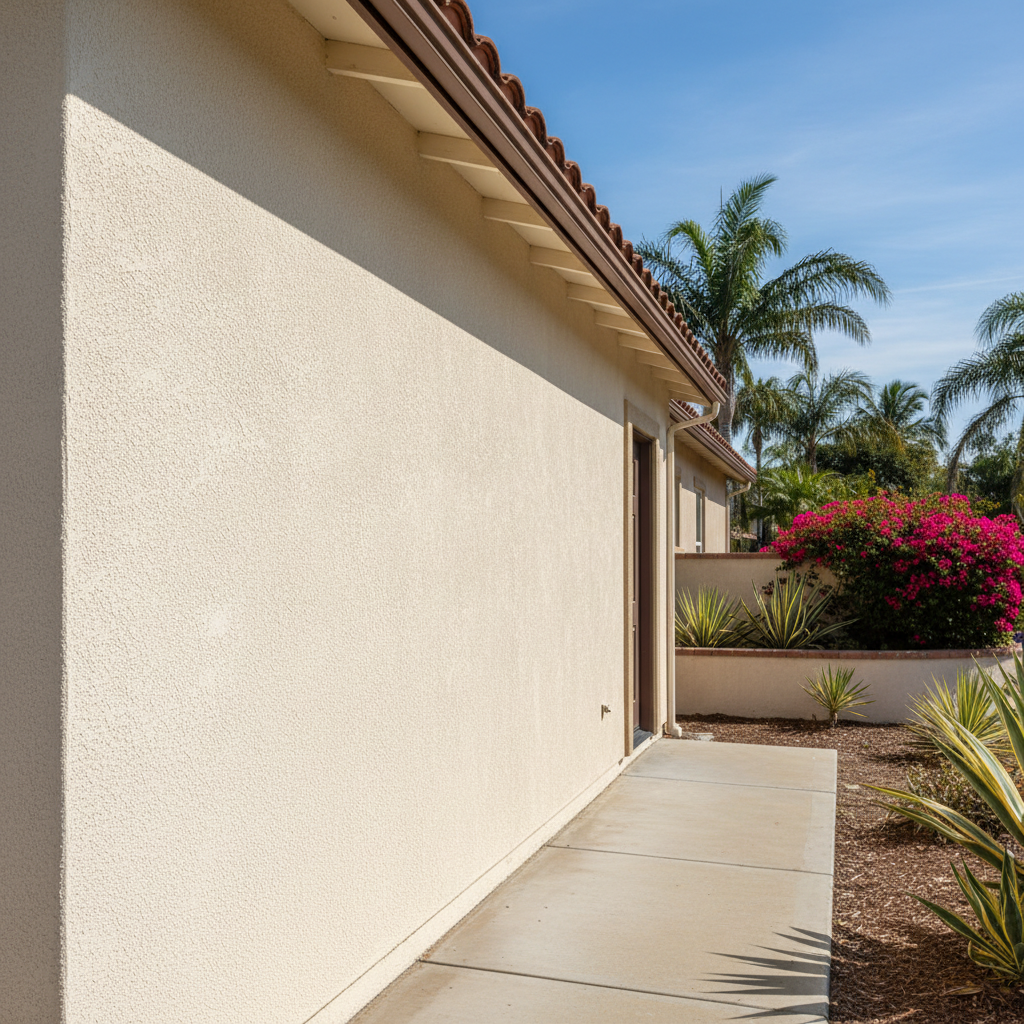
You've invested good money in your commercial building's stucco, right? Whether it's a retail spot in Eastlake or an office building closer to the bay, that stucco is a big part of your property's curb appeal and protection. But it's not a 'set it and forget it' kind of deal. Especially here in Chula Vista, with our coastal air and occasional heat waves, stucco needs a little attention to stay in top shape. I've seen it all in my years doing this, and I can tell you, a little proactive care goes a long way.
Extending Your Stucco's Lifespan: The Big Picture
The main goal here is to protect your investment. Stucco, when properly installed and maintained, is incredibly durable. It can last for decades. The biggest threats to its longevity are moisture intrusion, UV damage, and physical impact. Our climate here in Southern California, while generally mild, still throws a lot of sun at your building, which can fade colors and make the surface brittle over time. And even though we don't get harsh winters, that coastal humidity can be a sneaky culprit if water gets behind the finish.
Here's what I recommend to really get the most out of your commercial stucco:
- Good Drainage is Key: Make sure your rain gutters are clean and directing water away from the building's foundation. This is huge. Water pooling around the base of your walls is an express lane for trouble.
- Trim Those Plants: Keep shrubs and trees trimmed back from the stucco surface. They can hold moisture against the wall, scratch the finish, and even create pathways for pests.
- Sealants and Caulking: Regularly check the caulking around windows, doors, and any penetrations like pipes or vents. These are common entry points for water. If you see cracks or gaps, get them sealed up.
- Proper Paint/Finish: If your stucco is painted, make sure you're using a high-quality, breathable exterior paint designed for masonry. A good elastomeric paint can even help bridge hairline cracks and offer extra protection against moisture.
Regular Maintenance: What You Should Be Doing
This isn't rocket science, but it does require a consistent effort. Think of it like taking care of your car – regular check-ups prevent bigger problems.
- Annual Inspection: Walk around your building at least once a year. Look closely at all the stucco surfaces. Pay extra attention to areas under eaves, around windows, and near the ground.
- Cleaning: Stucco can get dirty, especially on commercial properties with more foot traffic or near busy streets. A gentle wash with a garden hose and a soft brush can often do the trick. For tougher grime, you can use a mild detergent solution. Just make sure to rinse thoroughly. Avoid high-pressure washers unless you really know what you're doing, as they can damage the stucco surface and force water into places it shouldn't be.
- Spot Checks After Rain: After a heavy rain, take a quick look around. Are there any new streaks or dark spots? Is water draining properly?
Warning Signs: Don't Ignore These
Catching problems early is how you save money. These are the red flags that tell me something's not right:
- Cracks: Not all cracks are bad, but you need to pay attention. Hairline cracks are common and often just surface-level. But wider cracks (say, 1/8 inch or more), spiderweb patterns, or cracks that run horizontally or diagonally from corners of windows and doors can indicate structural movement or water damage behind the stucco.
- Discoloration or Staining: Dark streaks, green patches (algae or mold), or efflorescence (white, powdery deposits) can all point to moisture issues. Efflorescence means water is getting into the stucco and dissolving salts, which then get left behind as the water evaporates.
- Bulging or Soft Spots: If you push on the stucco and it feels soft, spongy, or bulges outwards, that's a serious sign of water damage and possibly dry rot in the substrate underneath.
- Peeling Paint or Finish: If the paint or topcoat is bubbling, blistering, or peeling, it means there's a moisture problem trying to get out, or the surface wasn't prepped right.
- Pest Infestation: Termites and other pests love damp, dark places. If you see signs of insects around your stucco, especially near the base, it could mean there's moisture damage creating an inviting environment for them.
When to Call a Professional
Look, I'm all for DIY when it makes sense. But some things are best left to the pros. If you see any of the serious warning signs I just mentioned – especially wider cracks, bulging, or persistent moisture issues – it's time to call someone like us at Chula Vista Stucco & Plastering. Don't wait until it becomes a massive, expensive headache.
A professional can properly diagnose the root cause of the problem, whether it's a drainage issue, a structural crack, or a sealant failure. We've got the tools and the experience to fix it right the first time, preventing further damage to your commercial property. Ignoring these signs will only lead to more extensive repairs down the line, potentially involving not just stucco but also framing and insulation. Better to get it checked out and have peace of mind.